
Dryer Vent Cleaning in Birmingham, AL
Slow drying is usually a lint problem. We connect Birmingham-area homeowners with independent local dryer vent cleaning companies for free, no-obligation quotes on cleaning, inspection and airflow testing.
Get a Free Quote Call (727) 300-6656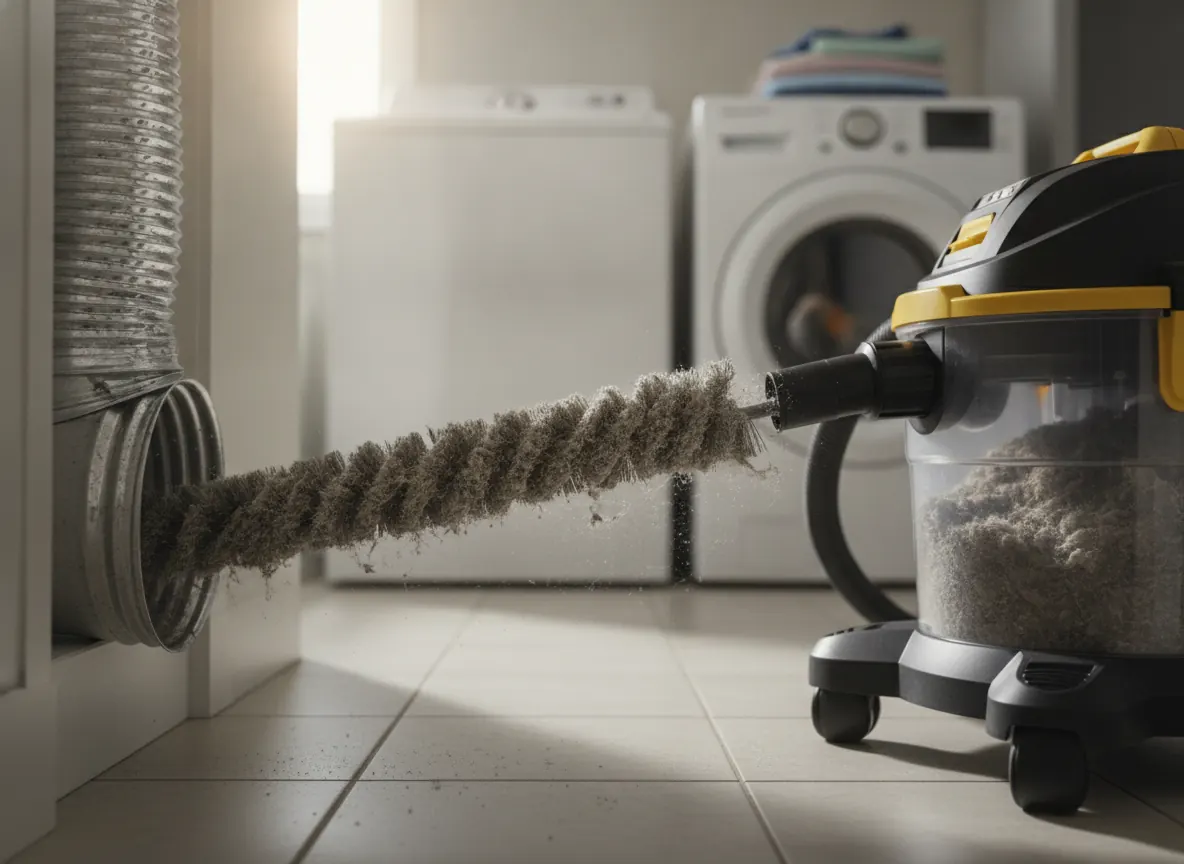
Why dryer vents need cleaning
Every load sends warm, damp air and fine lint out through the vent. The lint screen catches most of it, but not all. Over months, lint builds up on the duct walls, at elbows and behind the exterior flap. The U.S. Consumer Product Safety Commission (CPSC) puts it plainly: “Lint can block the flow of air, cause excessive heat build-up, and result in a fire in some dryers.”
The national numbers back that up. The U.S. Fire Administration estimated 2,900 clothes dryer fires in residential buildings each year (2008–2010 data), and found failure to clean (34 percent) was the leading factor. A newer NFPA report counted an average of 13,820 home structure fires per year involving dryers (2014–2018), with failure to clean behind 32 percent of them. The two studies cover different scopes, so they aren’t directly comparable, but both point to the same simple fix. Read more in our dryer fire statistics guide.
We connect Birmingham-area homeowners with independent local dryer vent cleaning companies for free, no-obligation quotes. You describe the vent, and a local company follows up with a price.
Signs your dryer vent needs cleaning
Most clogged vents show up as slow drying long before anything else.
- Drying takes longer than it used to. NFPA’s tip sheet says to clean the vent pipe more often than once a year “if you notice that it is taking longer than normal for your clothes to dry.”
- Clothes are still damp at the end of a normal cycle. CPSC lists this as a sign that the lint screen or the exhaust duct may be blocked.
- Weak airflow at the outside vent. CPSC suggests checking the outside vent while the dryer runs to make sure exhaust air is escaping. If the flap barely moves, something is in the way.
- A “Check Vent” or airflow alert on newer dryers. GE still recommends cleaning at least once a year even if the alert never appears.
- Lint collecting around the exterior hood, or a flap stuck open or shut.
- A crushed duct behind the dryer. Pushing the dryer tight against the wall can flatten the transition duct. That calls for repair or replacement, not just cleaning.
See the full list in 7 signs your dryer vent is clogged.
What a professional dryer vent cleaning includes
Every company works a little differently, so ask what is included when you compare quotes. A typical visit looks like this:
Check the setup
A technician will typically pull the dryer out, look at the transition duct behind it and find where the vent exits: a side wall, the roof or a soffit.
Take a starting reading
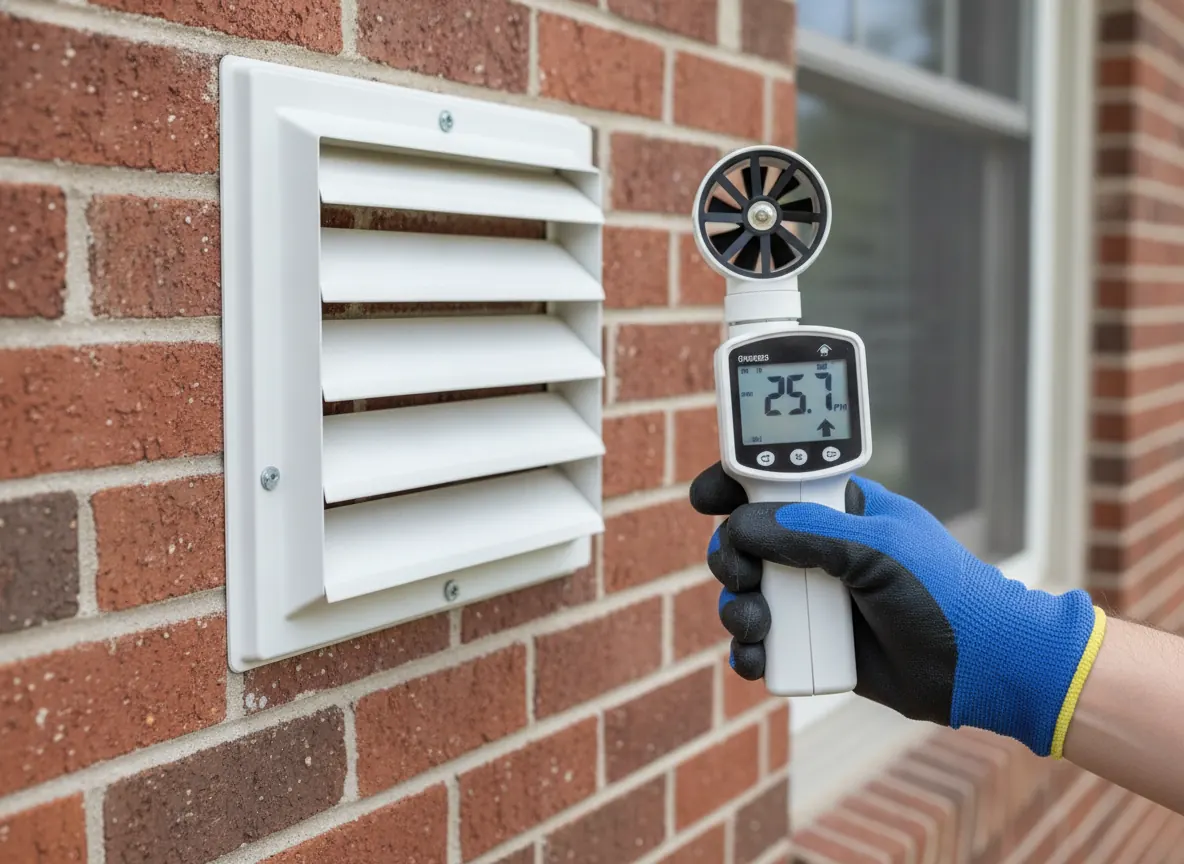
Many companies measure airflow at the exterior vent before they start, so you have a baseline.
Brush and vacuum the full run
A rotary brush on flexible rods is fed through the duct while a vacuum captures the loosened lint. Elbows and the exterior hood get extra attention.
Clear the dryer connection and cap
Lint is cleared from the transition duct and the exterior damper, and the flap is checked to make sure it opens and closes freely.
Reconnect and retest
The dryer is reconnected without kinks and run again so the company can compare airflow against the starting reading.
A standard cleaning usually covers the vent and duct, not the inside of the dryer cabinet. If you want the cabinet or blower housing cleaned, ask for it on the quote. See our step-by-step process page for more detail.
Inspection and airflow testing
An inspection tells you whether cleaning alone will fix the problem. Many companies use an airflow meter (anemometer) at the outside hood and a small camera inside the duct. Together they show how much air is getting out, where lint has packed in, and whether a section is crushed, disconnected or made of the wrong material.
Ask for the before and after readings. A clear improvement after cleaning is a good sign the run is healthy. If airflow stays weak, the camera often explains why: a long run with too many elbows, a flattened foil duct, or a section that came apart in the wall. Those are repair questions, covered on our vent repair and replacement page.
Inspection on its own typically runs about $30–$60 nationally (estimate, not a quote). Many companies include an airflow check with a cleaning.
How often should you clean a dryer vent?
The advice varies by source, so here it is as a range:
- NFPA: once a year, or more often if drying is taking longer than normal.
- GE Appliances: at least once a year, even without a “Check Vent” alert.
- Whirlpool: every one to two years, or as needed when drying performance drops.
- Maytag: every two years, more often with heavy use.
Long runs, roof and second-floor vents, large households and homes with pets tend to clog faster, so yearly is a sensible starting point for most Birmingham homes. Older houses in neighborhoods built before 1980 often have vents retrofitted through tight walls, which makes a periodic check worthwhile. If your vent exits through the roof, see roof and second-story dryer vents. Our guide on how often to clean a dryer vent goes deeper.
Typical cost
Typical national ranges from HomeAdvisor (2026), Fixr (2025) and Bob Vila (2024) — estimates, not quotes.
| Item | Typical range |
|---|---|
| Dryer vent cleaning, overall | about $104–$188 (HomeAdvisor avg about $145; full range $75–$340) |
| First floor / basement vent | $80–$175 |
| Second-floor vent | $110–$200 |
| Roof vent | $150–$300 |
| Inspection / airflow check | $30–$60 |
Your real price depends on vent length, number of stories, roof access and the condition of the duct. The dryer vent cleaning cost guide breaks this down further. When you’re ready, request a free quote and we usually reply the same day.
Frequently asked questions
How long does a dryer vent cleaning take?
Most standard wall vents take about an hour, though it depends on the length of the run, how many elbows it has and how easy the exterior hood is to reach. Roof and second-story vents, heavy lint packing or a nest inside the duct can add time. Ask the company for a time estimate when you get your quote.
Is dryer vent cleaning worth it?
For most homes, yes. Lint that builds up in the duct restricts airflow, which CPSC says can cause excessive heat build-up and, in some dryers, a fire. A clear vent also tends to dry clothes faster. NFPA and GE suggest cleaning at least once a year, while some manufacturers say every one to two years.
Are dryer vents cleaned from inside or outside?
Usually both. A technician will typically work from the dryer connection inside and from the exterior hood outside, running a rotary brush through the duct while a vacuum collects lint. Roof vents may be cleaned from the laundry room end, from the roof, or both, depending on access and the length of the run.
Does dryer vent cleaning include the dryer itself?
Usually not. A standard dryer vent cleaning covers the transition duct, the vent run and the exterior cap. Cleaning lint out of the dryer cabinet or blower housing is often a separate add-on, and some companies leave it to appliance repair technicians. If you want it, ask for it to be listed on your written quote.
What is an airflow test?
An airflow test measures how much air leaves the exterior vent while the dryer runs, usually with a handheld meter. Taking a reading before and after cleaning shows whether the cleaning helped. If airflow stays low, the problem may be a crushed, disconnected or overlong duct rather than lint, which points to repair instead of another cleaning.
Clothes taking forever to dry? Get your vent checked.
Free, no-pressure quotes across Birmingham, Hoover, Vestavia Hills, Homewood and nearby.